

Naturalis mourns
Today, the flag is flying at half-mast at Naturalis. This weekend, our beloved colleague Marjolein van Breemen, director of the Naturalis Museum, passed away unexpectedly.

Naturalis breaks visitor record The museum in Leiden received 541.077 visitors in 2025
Naturalis Biodiversity Center breaks its visitor record again. Last year, the museum received 541.077 visitors. Of these, 51.496 were enrolled in educational programs as students in primary, secondary, or special education. The last visitor record, set in…
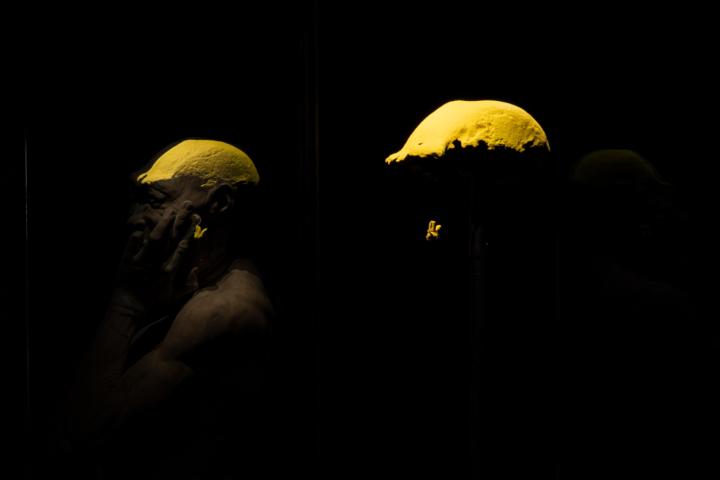
Early Humans hall fossils have returned to Indonesia
Naturalis has replaced the Homo erectus fossils in the "Early Humans" gallery with replicas. The original specimens were returned to Indonesia in December 2025.
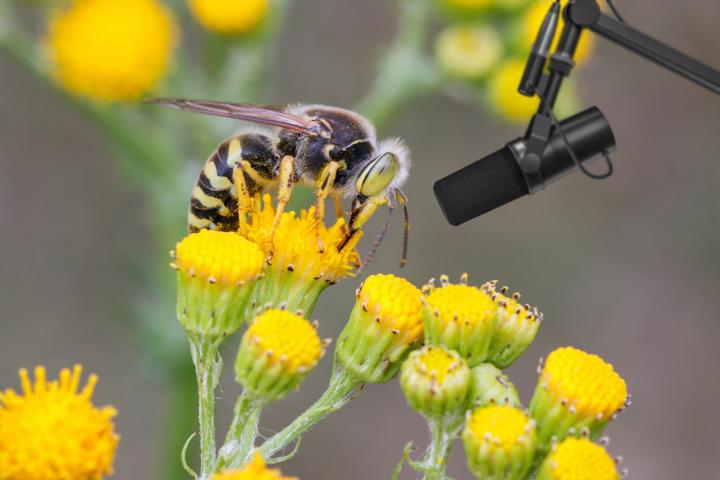
Step closer to advanced monitoring of our biodiversity
Naturalis Biodiversity Center, TNO, RIVM, and Rijkswaterstaat are joining forces to protect biodiversity. Thanks to a grant of 19.4 million euros, they are jointly launching an initiative for Automated Biodiversity Monitoring (ABM), running from 2026 to…
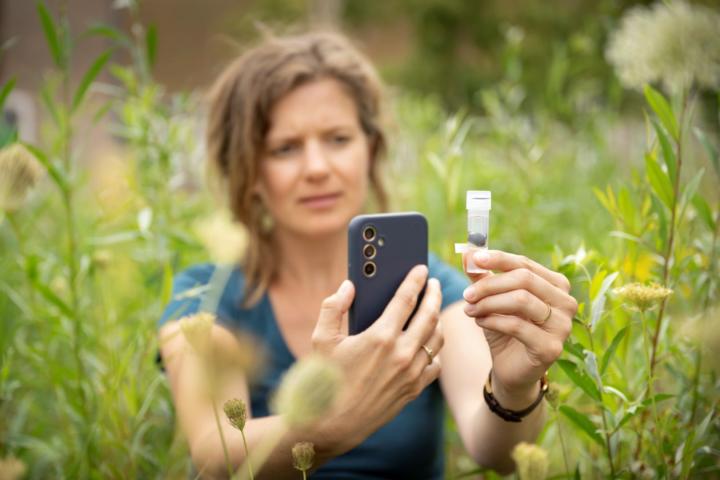
Knowing Nature in the Netherlands: The ARISE research infrastructure for species ID
Recognizing all Dutch species – in every conceivable way. Starting next week, everyone can utilize ARISE, the research facility that makes this possible.
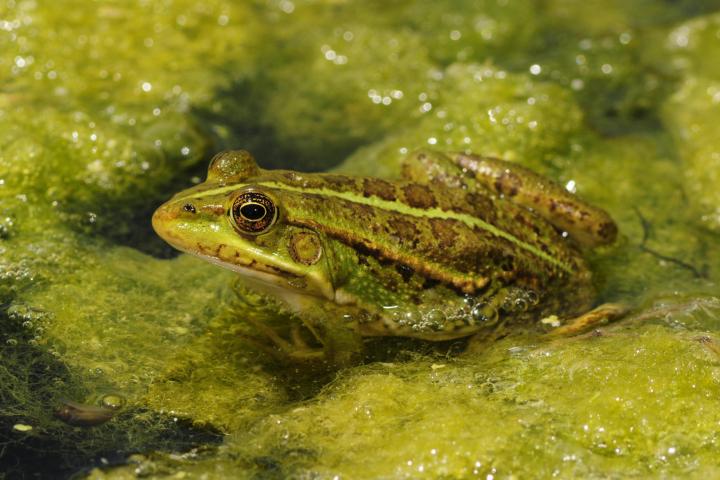
Invasive marsh frogs are spreading
The Southeast of the Netherlands is being colonized by exotic marsh frogs, according to research by Ravon, Leiden University, and Naturalis. Although these non-native marsh frogs thrive in our country, they pose a threat to native biodiversity. Invasive…
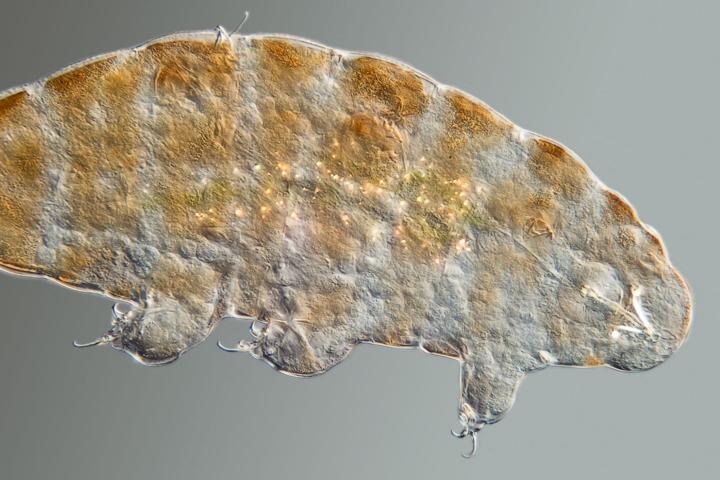
Tardigrades in the Netherlands From 14 to 35 Species, and That is Just the Beginning
They are smaller than a millimeter, yet they can play an enormous role in science: tardigrades. These tough little organisms can survive extreme conditions and are found all over the world, from the Himalayas to the deep sea. Thanks to a remarkable…
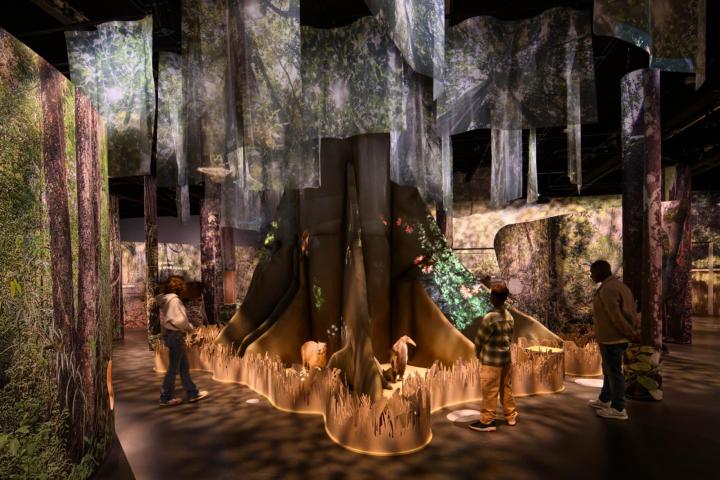
Naturalis opens exhibition 'The forest of Suriname'
On Saturday, October 11, 2025, Naturalis opens 'The forest of Suriname'. The exhibition shows how Indigenous people and Maroons live in spiritual harmony with the forest. This offers an inspiring and broader perspective on nature conservation, which is now…
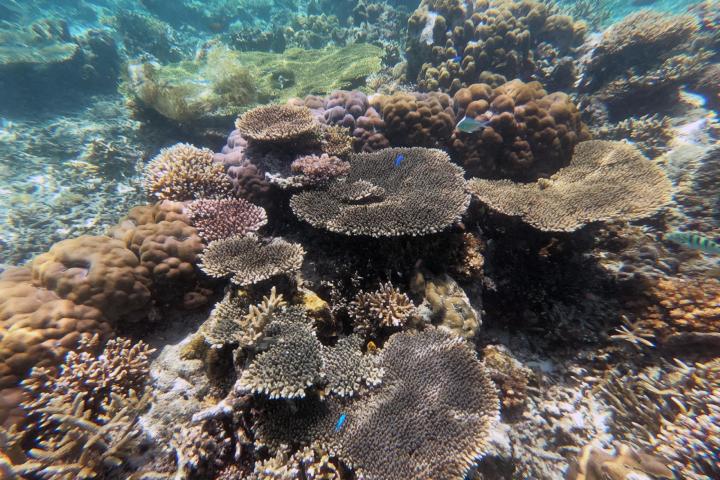
“Living Sand” Organisms have a Stable Partner and a Flexible Crew, Scientists Find
Foraminifera - small but incredibly important marine organisms - spend their lives together with two types of roommate: algae and bacteria. They are very picky when it comes to the algae, but open minded when it comes to the bacteria. Understanding this…