
How many species are there in the Netherlands? And how are they faring? On Thursday 21 May, Naturalis will publish the first edition of the Status Report Dutch Biodiversity. A complete overview of Dutch nature.
All speciescompiled
For the second time, we will present a report that summarises data on the more than 47,000 species in our country: the Status Report Dutch Biodiversity. It contains information collected by thousands of people – scientists and volunteers from Dutch species organisations – over the course of decades. It was written by more than thirty experts from Naturalis and other institutions and published by Naturalis. You could say that Dutch nature data was just as fragmented as nature itself.
We desperatelyneed nature
NB: video is in Dutch. You can turn on automatic subtitles.
Why is this report important? Scientific director Koos Biesmeijer of Naturalis explains it in this video.
From mossto mouse
The result: the best overview of biodiversity ever: small, large, from mice to moss, from fungi to sea snails and hoverflies. This is important because currently only 6 to 7 per cent of the species found in the Netherlands are represented in policy. This means that as a country, you do not have a complete picture of biodiversity, and therefore you do not see when or where it is rapidly declining.


A bleakpicture
So what is the status of biodiversity in the Netherlands? The first report showed that although we know a lot, it is only small bits and pieces of the bigger picture. Those small bits and pieces paint a bleak picture. Of the 3,625 species of fungi on the so-called Red List, almost half are threatened to some extent, and there is insufficient data on another quarter. We now see less than half the number of butterflies in the Netherlands compared to 1992. ‘As an ecologist, you think you know quite a bit about how nature is doing. But when you compare all 19 species groups on the Red List and see that they are all declining, it's hard to swallow,’ says Prof. Dr. Koos Biesmeijer, scientific director of Naturalis and one of the authors of the report.
New opportunities
However, the report was also optimistic, Biesmeijer emphasises: There are also species that are doing well, such as seals, otters and white-tailed eagles. ‘The report also shows that if you do something to restore nature, it works – and that we know what we need to do.’ Species that need clean water, such as mayflies and frogs, benefit from measures to improve surface water quality. Wetland birds have benefited from nature development projects, often in combination with the building of water storage facilities.


More insight intounderrepresented species
The report showed that there are many “underrepresented” species, and a better understanding of them would improve biodiversity policy. The 2026 report will broaden this view even further, and include the Caribbean parts of the Kingdom of the Netherlands. It will also give more space to marine biodiversity both in the North, Wadden and Caribbean Seas. Biesmeijer: ‘The Netherlands is currently at the forefront when it comes to loss of species, but there are plenty of opportunities to reverse this trend. With innovative techniques and effective policy, the Netherlands can become a leader in biodiversity knowledge and biodiversity restoration.’

Ordera copy
The report is intended for (Dutch) nature professionals and policymakers. It can be read and downloaded free of charge via the links above. If you would like to order a physical copy, please send an email to Communicatie@naturalis.nl with your name, organisation, and postal address, including postcode.
How can I contributeto biodiversity research?
You too can contribute to a better understanding of biodiversity! It starts with a love of nature and understanding what there is to see. Young people can join organisations such as JNM and NJN. For adults, there are local nature organisations and IVN. Even more accessible: anyone with a smartphone can download the Obsidentify app and make observations supported by Naturalis' AI species recognition.
Most of the data in this report comes from various species organisations in the Netherlands. For every group – mushrooms, plants, mosses, insects, reptiles, you name it – there is a club of enthusiasts, and they welcome volunteers with open arms.


More informationabout our biodiversity research
ARISE: knowing Nature in the Netherlands
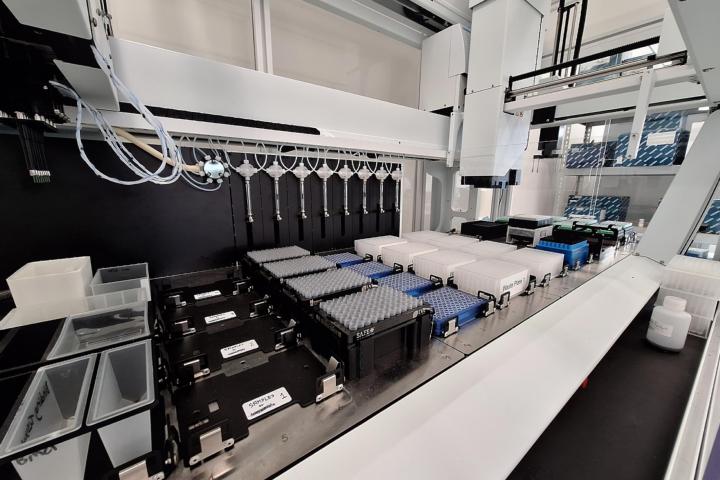
eDentity: a national eDNA infrastructure